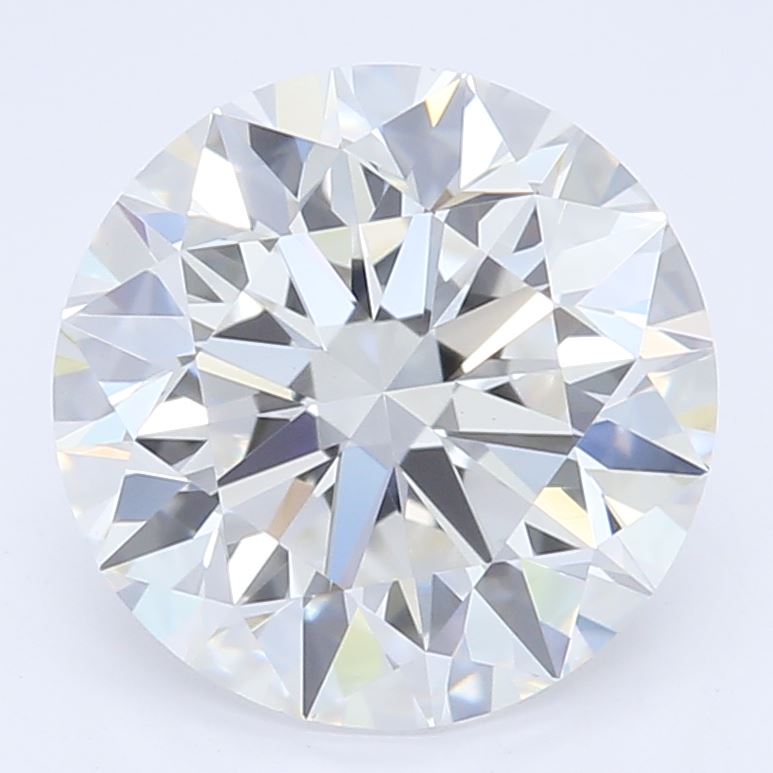
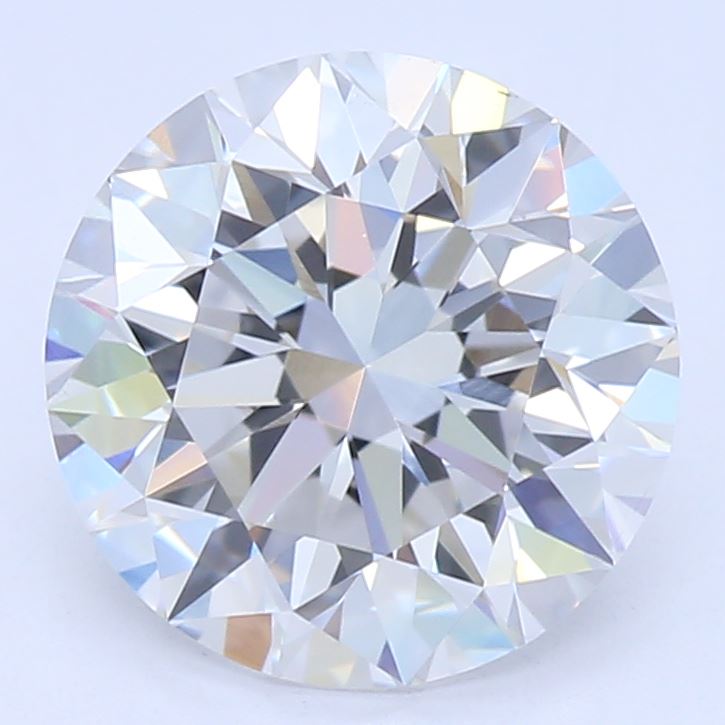
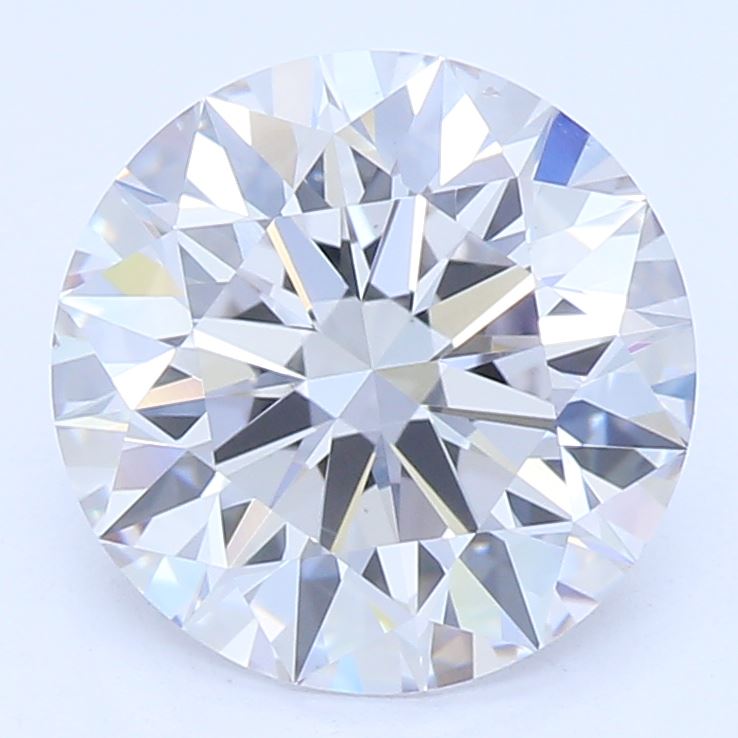
What Are Natural Diamonds?
Natural diamonds form deep inside Earth under intense heat and pressure, often over billions of years. People value them for their rarity, beauty, and natural history.
What Are Lab-Grown Diamonds?
Scientists grow diamonds in laboratories using advanced technology. These diamonds have the same essential chemical composition, crystal structure, and hardness as natural diamonds.
Their main difference is their origin.
Quality Comparison
Both types can offer beautiful sparkle and excellent durability. A diamond’s individual quality matters more than where it grew.
For either type, compare the cut, colour, clarity, and carat weight.
Value and Pricing
Lab-grown diamonds usually cost much less than natural diamonds with similar characteristics. Prices vary by stone and seller.
This can help buyers choose:
A larger diamond
Higher clarity
A better colour grade
Natural diamond prices reflect factors such as rarity, mining and sourcing costs, and market demand.
Resale Value
Natural diamonds generally have a more established resale market, but buyers often receive less than they originally paid.
Lab-grown diamonds typically have lower resale prices and fewer resale options. Neither type guarantees a financial return.
Environmental Impact
Lab-grown diamonds avoid diamond mining, but their production still uses energy and resources. Moreover, Their environmental impact depends partly on how producers power their facilities.
Natural diamond mining can disturb land and use substantial water and energy. Furthermore, Compare specific producers and verified environmental claims when sustainability matters to you.
Ethical Factors
Both types need responsible sourcing.
Lab-grown diamonds avoid concerns directly linked to diamond mining, but labour conditions and supply chain practices still matter.
For natural diamonds, ask about traceability and sourcing policies. The Kimberley Process addresses conflict diamonds within a specific scope; it does not guarantee that a diamond meets every ethical standard.
Which Should You Choose ?
Choose lab-grown diamonds if:
You want a larger stone within your budget
You prioritise size or quality over natural rarity
You prefer a diamond grown in a laboratory
Choose natural diamonds if:
You value natural origin and rarity
You appreciate geological history
An established resale market matters to you
For either option, check the grading report and the seller’s sourcing information.
What Did Buyers Choose in 2027 ?
Lab-grown diamonds became a popular option for engagement rings. However, buyer preferences varied by country, retailer, and budget. A reliable market source is needed before quoting a specific percentage.
Conclusion
Both natural and lab-grown diamonds can make beautiful jewellery. Choose the one that suits your budget, style, and priorities, and compare individual stones carefully before buying.